









Diamond Thin Film Deposition: Why MPCVD Technology Reigns Supreme in the Industry
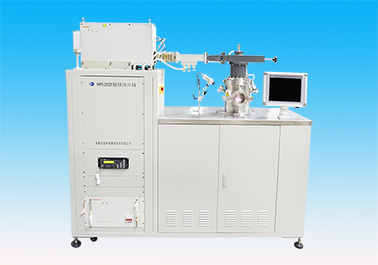
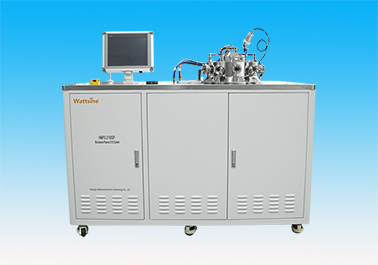
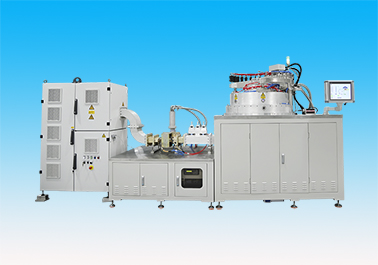
Diamond films are hailed as the ‘ultimate functional material’, possessing extraordinary hardness, thermal conductivity and optical properties that hold revolutionary potential in high-end manufacturing, next-generation semiconductors and cutting-edge scientific research. The core challenge, however, lies in precisely ‘assembling’ carbon atoms from a gas phase into a perfect diamond crystal structure—a process entirely dependent on deposition technology. Among various chemical vapour deposition (CVD) techniques, microwave plasma chemical vapour deposition (MPCVD) has emerged as the dominant mainstream technology for producing high-end diamond films, owing to its unique advantages.
By contrast, other approaches exhibit significant limitations. While hot-filament CVD is low-cost, its high-temperature tungsten filament risks metallic contamination. Direct current arc plasma jet deposition offers high growth rates but suffers from unstable plasma and poor film uniformity. Combustion flame methods provide little control over quality. These techniques may suffice for tool coatings where extreme purity is not critical, but they fall short of the requirements for cutting-edge applications demanding crystalline perfection.
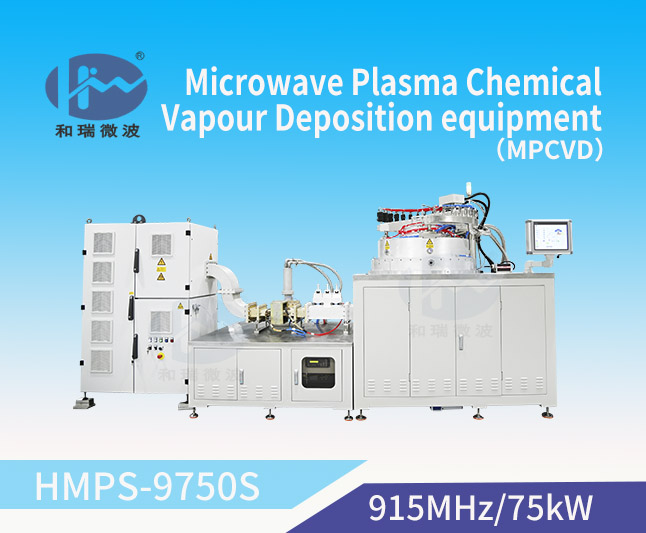
MPCVD addresses these fundamental challenges. First, it provides an unrivalled pure environment. The microwave energy directly excites process gases to generate plasma, eliminating any internal metallic electrodes. This design fundamentally prevents impurity incorporation, ensuring exceptional intrinsic purity in the diamond crystals—a prerequisite for fabricating the nitrogen-vacancy colour centres essential to quantum sensing.
Second, it enables precise and flexible process control. The microwave-generated plasma is highly dense and uniform. Researchers can independently and accurately regulate parameters such as microwave power, gas pressure, substrate temperature, and gas composition. This allows for the ‘customised’ growth of diverse diamond materials, from polycrystalline to single-crystal films, and from insulating to semiconducting varieties.
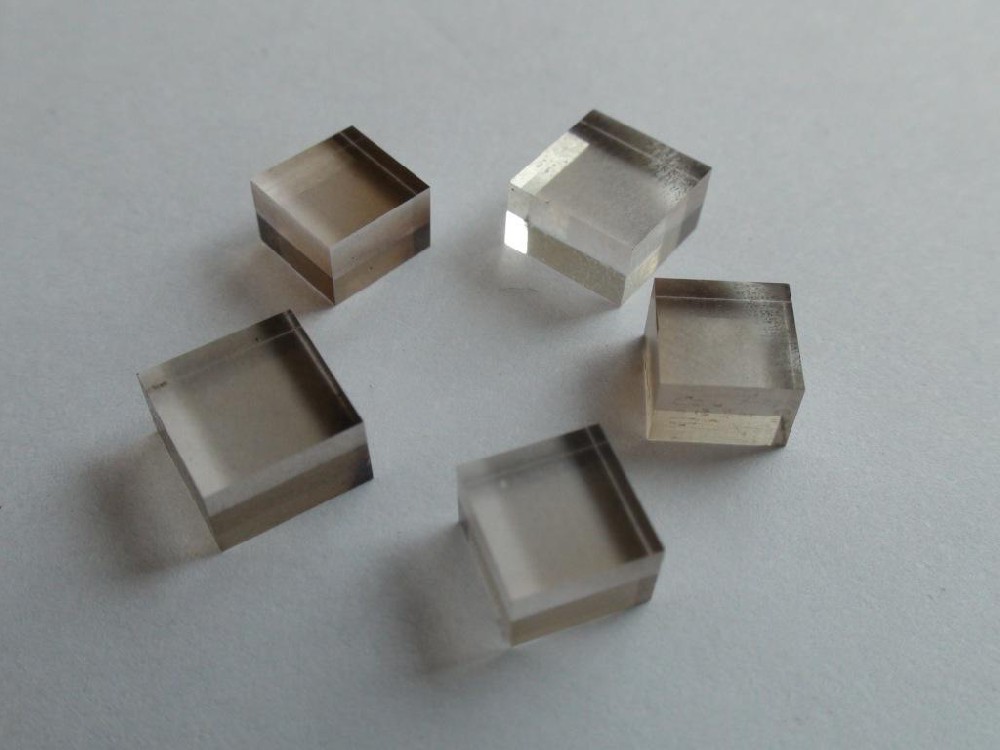
Consequently, MPCVD stands as the only industrially viable pathway for producing high-quality single-crystal diamond. Its capability for homoepitaxial growth on seed crystals is the cornerstone for obtaining large, electronic- and optical-grade single-crystal diamonds, paving the way for future technologies like high-power electronics and advanced laser optics.
In summary, MPCVD equipment, leveraging its core advantages of purity, controllability, and superior output quality, serves not only as an indispensable research tool but also as the pivotal engine transforming diamond from a ‘legendary material’ into a foundation for revolutionary technologies, securing its position at the pinnacle of the materials processing landscape.
- > The three key advantages ··· 2026-04-14
- > What is large-size MPCVD ··· 2026-03-11
- > MPCVD Equipment: Rising i··· 2026-02-28
- > Diamond Thin Film Deposit··· 2026-01-23
- > CVD Diamond Films Market:··· 2025-12-24
- > Analysing MPCVD Diamond: ··· 2025-12-19
- > 4-inch diamond ultrathin ··· 2025-12-17
- > Technical Approach for Di··· 2025-11-21
Recommended Products